Stand Your Ground & Security Guard Defense in Florida
Protecting Your Rights When Defensive Force Is Used
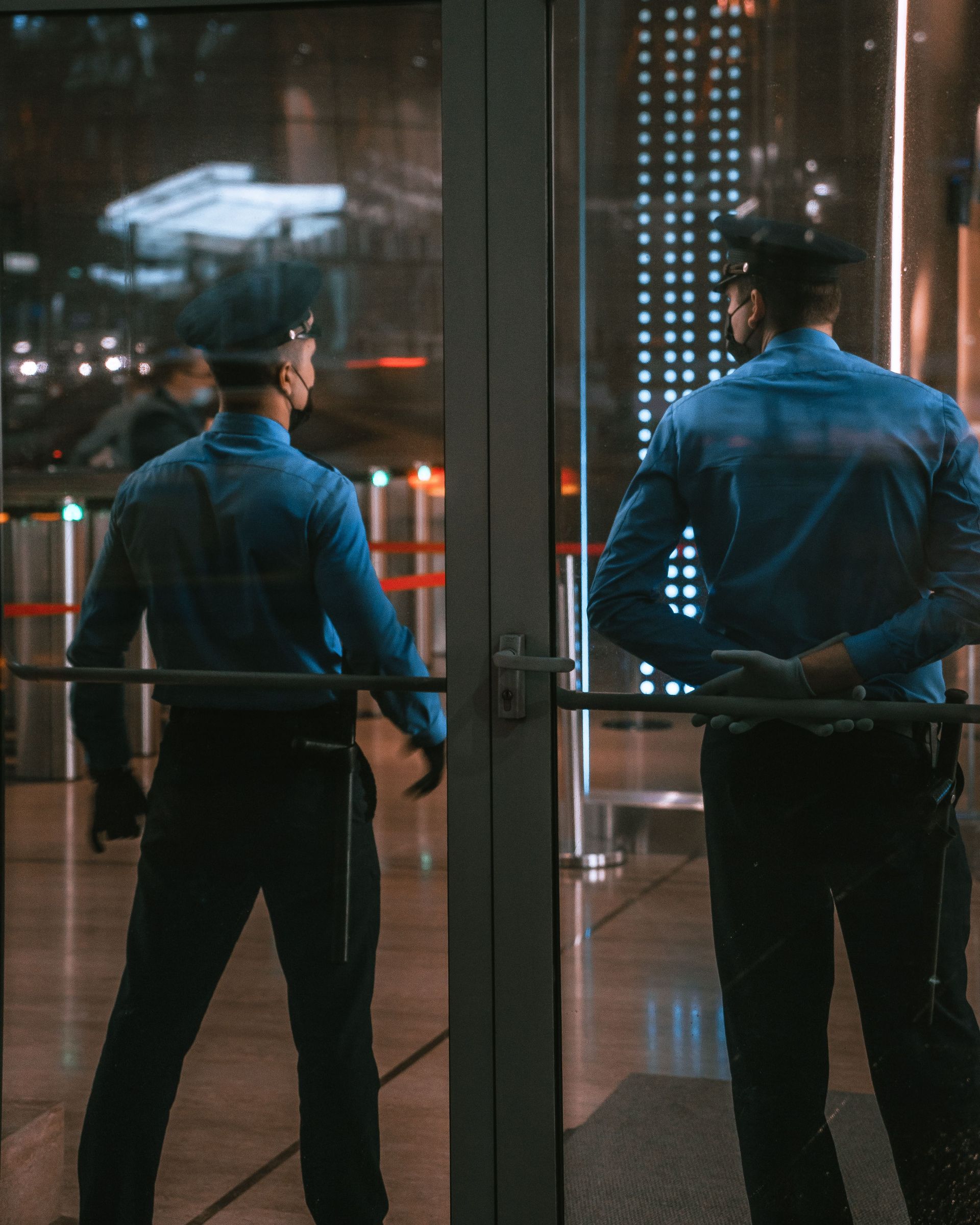
Security guards are often placed in situations where they must make quick decisions when protecting people, property, or a business. When a confrontation escalates and a security guard uses force in response to a perceived threat, the legal consequences can be serious.
Florida's Stand Your Ground law may provide important protections in certain circumstances involving the lawful use or threatened use of force. However, whether those protections apply depends on the specific facts of the incident, including the nature of the threat, the level of force used, and whether the person using force was legally entitled to be where the incident occurred.
Joshua Bethea Attorney at Law provides legal representation to individuals facing criminal and other legal issues throughout the Tampa Bay area and surrounding Central Florida communities. If you are a security guard involved in an incident where defensive force was used, understanding your rights and having an attorney evaluate the circumstances can be an important first step.
Understanding Florida's Stand Your Ground Law
Florida law generally provides that a person may use or threaten to use nondeadly force when they reasonably believe it is necessary to defend themselves or another person against the imminent use of unlawful force. The law also provides that, under qualifying circumstances, a person may use or threaten to use deadly force when they reasonably believe it is necessary to prevent imminent death, great bodily harm, or the imminent commission of a forcible felony.
Florida's law also provides that a person who lawfully uses defensive force under the applicable statute does not have a duty to retreat and may have the right to stand their ground when the statutory requirements are met.
For security guards, these issues can become particularly important because their employment may involve protecting people or property and responding to potentially dangerous situations. However, being a security guard does not automatically make every use of force legally justified. The circumstances surrounding the incident must be carefully evaluated.
A security guard may encounter situations involving trespassing, physical altercations, threats, theft, or other potentially dangerous conduct. After an incident, the guard may face questions from law enforcement, an employer, witnesses, or other parties about what happened and why force was used.
When a Security Guard Uses Defensive Force
The legal analysis can involve questions such as:
What happened immediately before the use of force?
Was there an imminent threat of unlawful force?
What did the security guard reasonably believe was happening?
What level of force was used?
Was the force proportionate to the circumstances?
Was the guard lawfully present at the location?
Was the guard protecting another person or property?
Was the person using force engaged in criminal activity?
Are there witnesses, surveillance footage, photographs, reports, or other evidence documenting the incident?
These details can be important when determining whether Florida's self-defense and Stand Your Ground laws may apply.
Defense of Property
Florida law separately addresses the use of force in defense of property. Under Florida Statute § 776.031, a person may be justified in using or threatening to use nondeadly force when they reasonably believe it is necessary to prevent or terminate another person's trespass or other tortious or criminal interference with certain property. Deadly force is subject to additional requirements.
Because security personnel are often hired specifically to protect businesses and property, understanding the distinction between protecting property and defending a person can be particularly important when evaluating a use-of-force incident.
Stand Your Ground Immunity
Florida law also provides for immunity from criminal prosecution and civil action when qualifying defensive force is used as permitted under the applicable statutes. The statute contains specific requirements and exceptions, so immunity should not be assumed simply because someone claims self-defense or Stand Your Ground.
An attorney can review the circumstances surrounding the incident and help determine what legal protections may be available.
Why Legal Representation Matters
A use-of-force incident can have consequences beyond the initial investigation. Depending on the circumstances, a security guard could face criminal allegations, employment consequences, or potential civil claims.
Early legal guidance can help ensure that the circumstances surrounding the incident are properly evaluated and that available evidence is preserved. Surveillance footage, witness statements, incident reports, photographs, communications, and other documentation may all become important when establishing what occurred.
Joshua Bethea Attorney at Law approaches legal representation with an emphasis on straightforward guidance, practical solutions, and keeping clients informed about their options.
Speak With a Florida Attorney About Your Case
If you are a security guard facing an investigation or legal claim after using defensive force, it is important to understand how Florida law may apply to your specific circumstances.
Contact Joshua Bethea Attorney at Law to discuss your situation and learn more about your legal options. Consultations are available for individuals throughout Tampa Bay and surrounding Central Florida communities.